Venous Blood Collection
Solutions for all venous conditions using aspiration or vacuum technology
No results were found for the terms used.
Venous blood sampling
Venous blood is the most common test material in clinical diagnostics. In addition to the optimal blood collection technique, professional sample handling and careful preparation and further processing of venous blood samples are also crucial.
As a leading company in medical technology, SARSTEDT offers you innovative solutions for a high-quality pre-analytical workflow. In addition to the standard vacuum systems, our range also exclusively includes aspiration technology. Specialists can use this particularly gentle procedure, especially for difficult vein conditions, and thus have a therefore making it a suitable tool method of blood collection for every patient. Find out how you can minimise potential errors and disruptive factors in venousduring venous blood collection and how your patients can benefit from professional blood analyses.
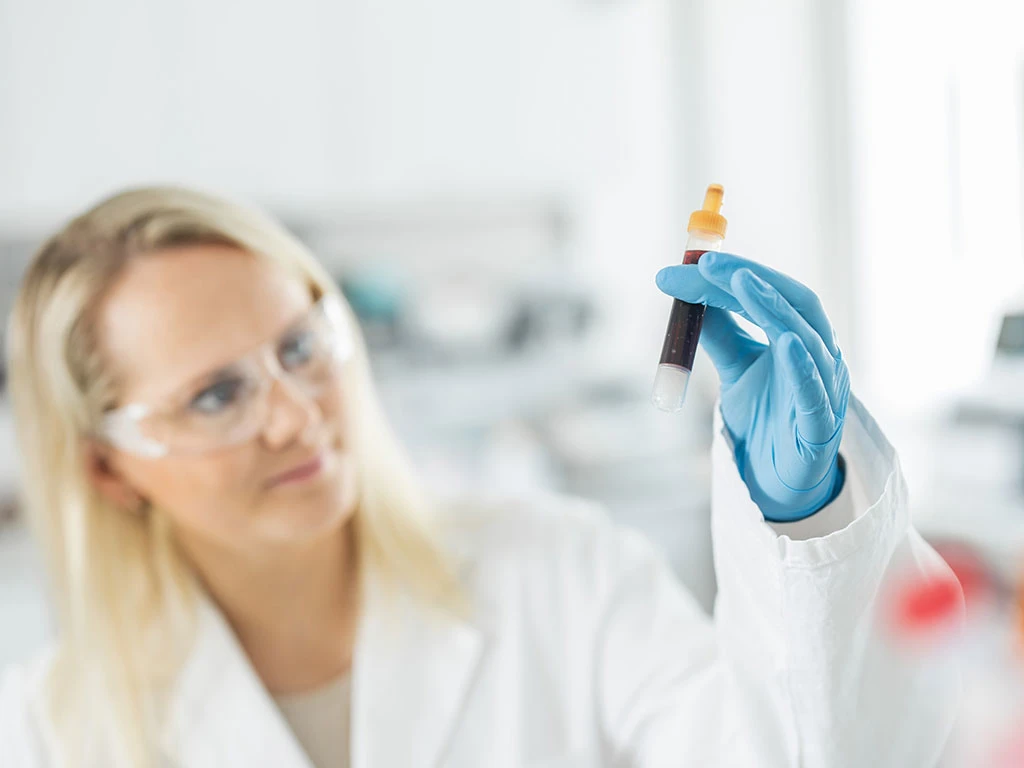
What is a venous blood sample?
Venous blood samples are collected by drawing blood from a vein, this technique is referred to as venepuncture. Blood can be drawn from the vein by inserting a needle or cannula, allowing the blood to flow into the sample tube (e.g. S-Monovette®). The direct puncturing of a vein corresponds to the standard in venous blood sampling. You puncture the vein with a cannula, the blood flows into one or more sample containers (e.g. S-Monovette®) during blood collection. The collected sample, can then be stored and transported for further analyses in which it is then stored, transported and further processed for later analysis. Blood samples are rarely taken via an existing peripheral venous catheter / indwelling venous cannula.
Healthcare professionals with the appropriate qualifications are authorised to perform venous blood sampling in accordance with the applicable regulations.
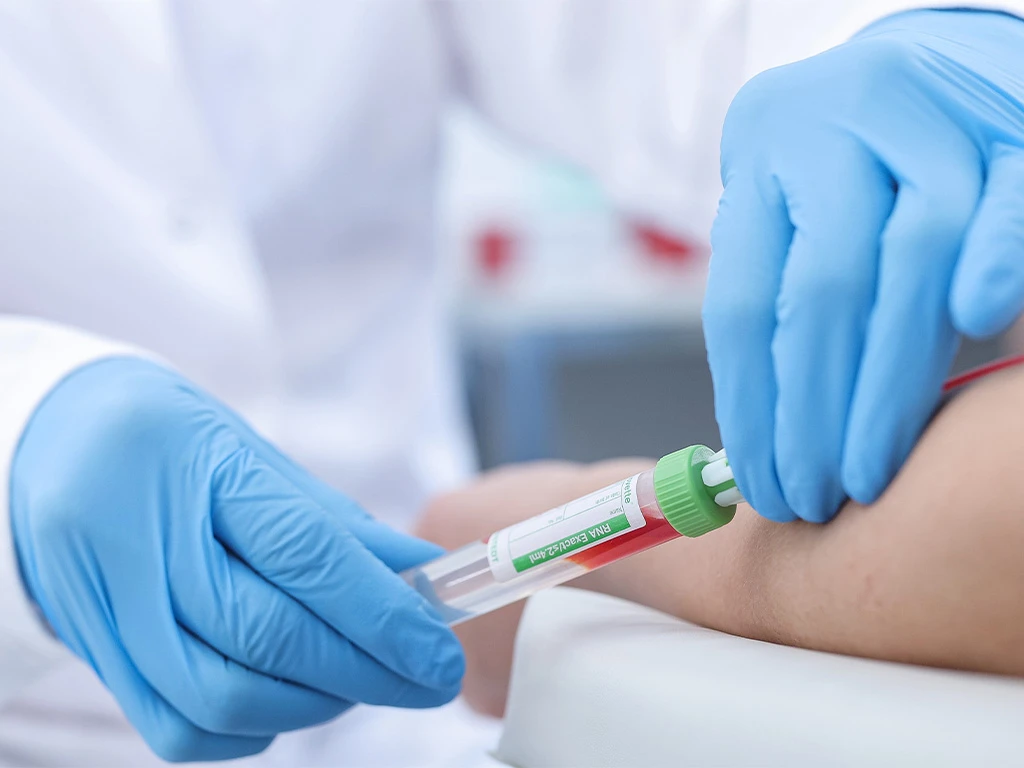
Preparation for venous blood collection
For optimal preparation of venous blood collection, supplying comprehensive patient information, identifying the patient, the blood collector, and the physician who requested the test is important. Accurate labelling of sample containers, adherence to a suggested collection sequence, and preventing under-filling are also essential.
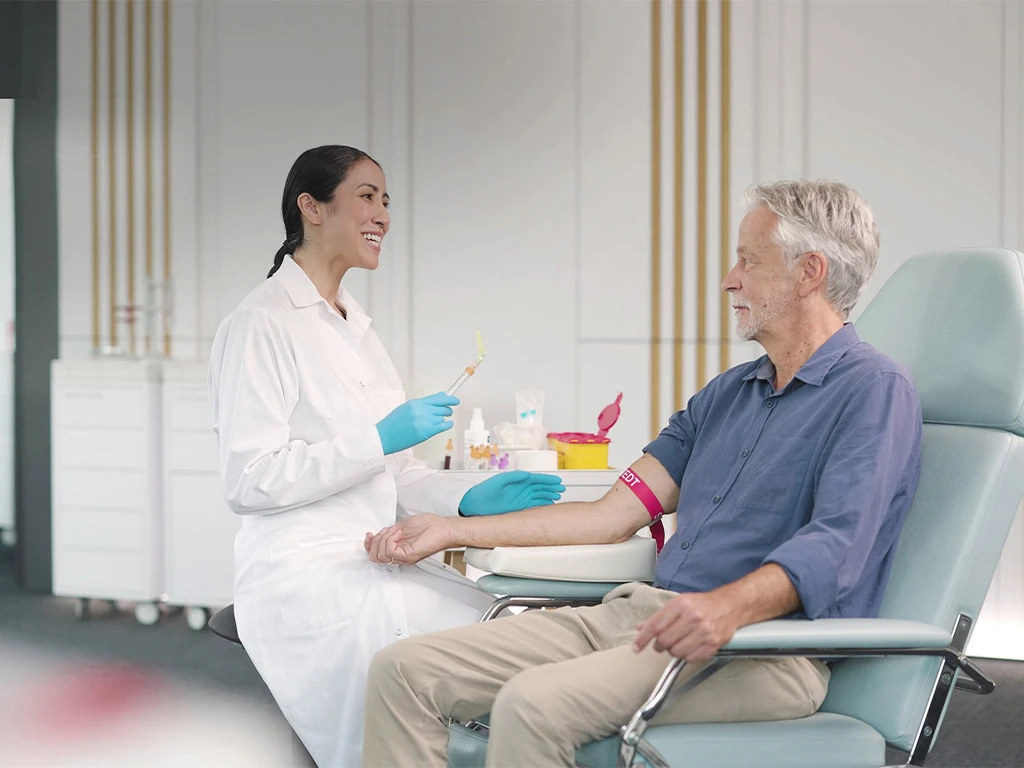
Performing the venous blood collection
In addition to careful preparation and follow-up, the correct collection technique is particularly important when taking venous blood samples. We show you how to do it - and which common mistakes you can easily avoid.
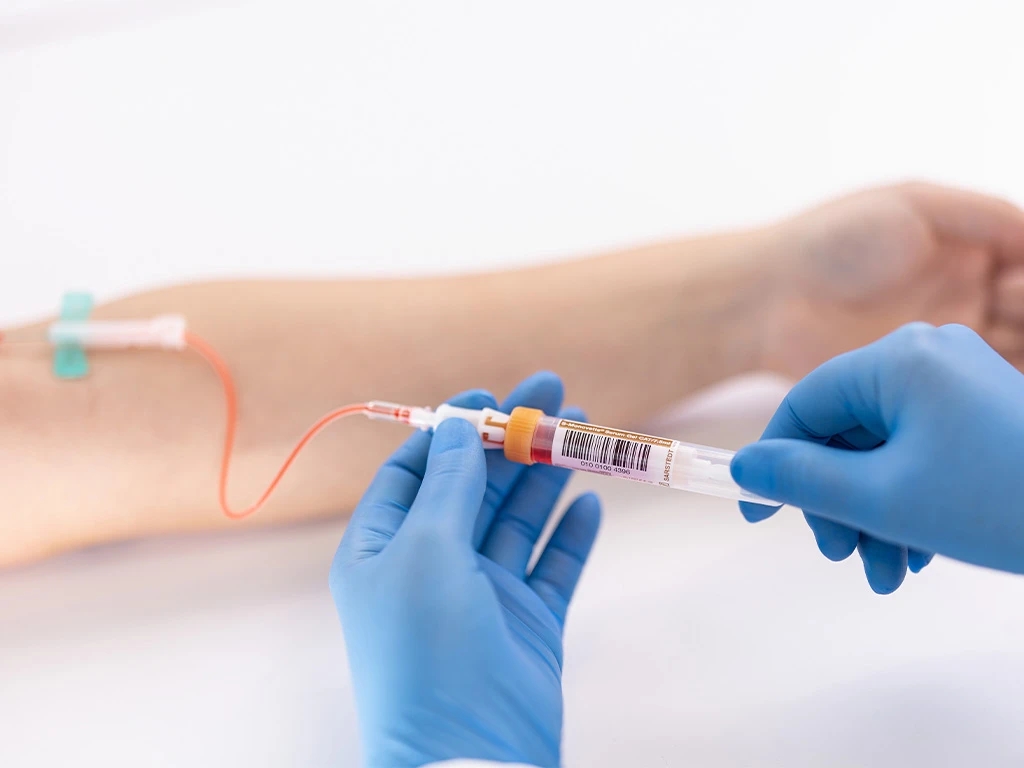
Systematic procedure for venous blood sampling
Once you have decided which vein you want to puncture for venous blood collection, you need to select the appropriate collection technique
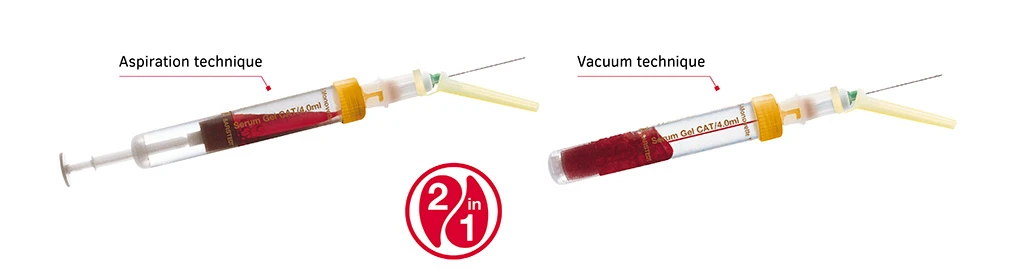
In addition to the particularly gentle aspiration technique, we also offer you the vacuum technique as an alternative. With the S-Monovette® from SARSTEDT, you can be flexible and decide which collection technique you would like to use for venous blood collection depending on the situation and vein conditions.
The aspiration technique enables gentle blood collection with a continuous and controlled blood flow by pulling the piston rod in a controlled manner. In this way, the blood flow can be adapted directly to all vein conditions and circumstances and haemolysis can be reduced.
Please position the patient so that there is easy access to the vein and point the patient's arm or other puncture area downwards.
Serum collection
Following blood collection, serum samples require a 30-minute standing period for clotting.
During this period, clotting factors, such as fibrin, are consumed in the clotting process, causing blood cells to aggregate and form a clot.
The blood clot is formed in the shape in which the blood cells are located in the tube.
This means that if the S-Monovette® lies flat after blood collection, the blood cells sediment along the horizontal tube and form an elongated shape.
This resulting structure can be compressed during centrifugation. After centrifugation, however, it stands up again in an accordion shape (sausage phenomenon). The serum from such a sample may not be suitable for automated processing, resulting in a delay in the test results.
It is therefore important to store serum samples upright after blood collection.
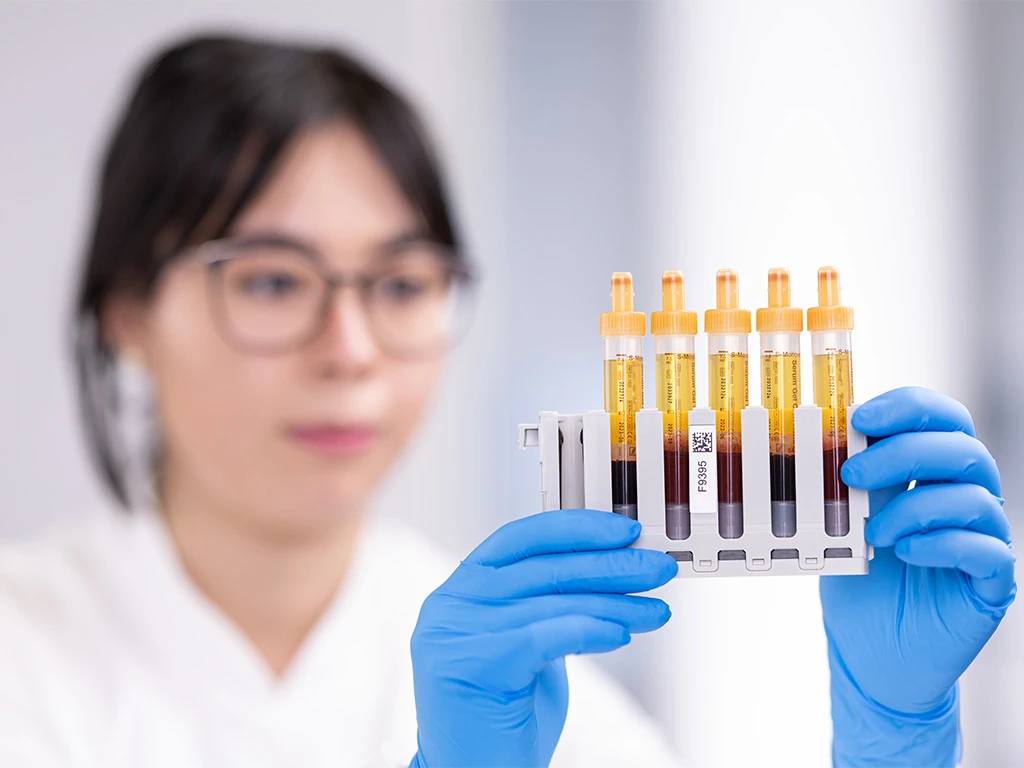
Further processing of the venous blood samples
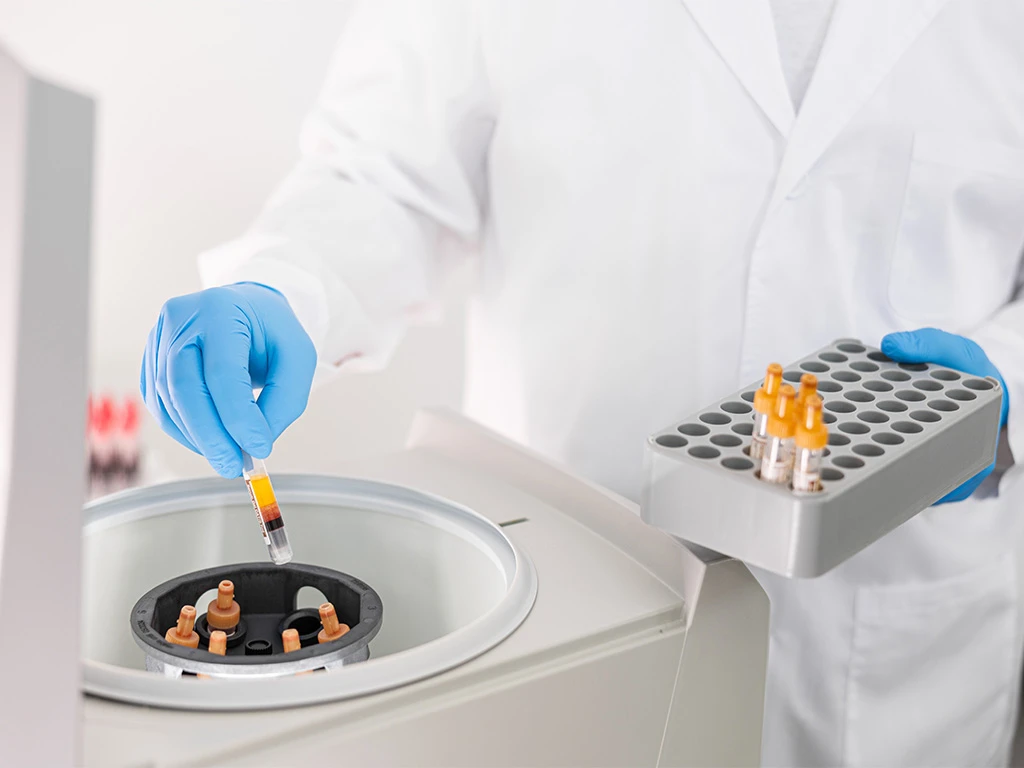
Blood samples should be taken to the laboratory and analysed as quickly as possible. Correct sample handling, such as careful mixing of the sample, low-vibration sample transport, observance of centrifugation conditions and storage of the sample tubes after venous blood collection are decisive factors for maintaining the integrity of the sample. In this way, you can avoid haemolysis caused by damage to the erythrocytes, for example.
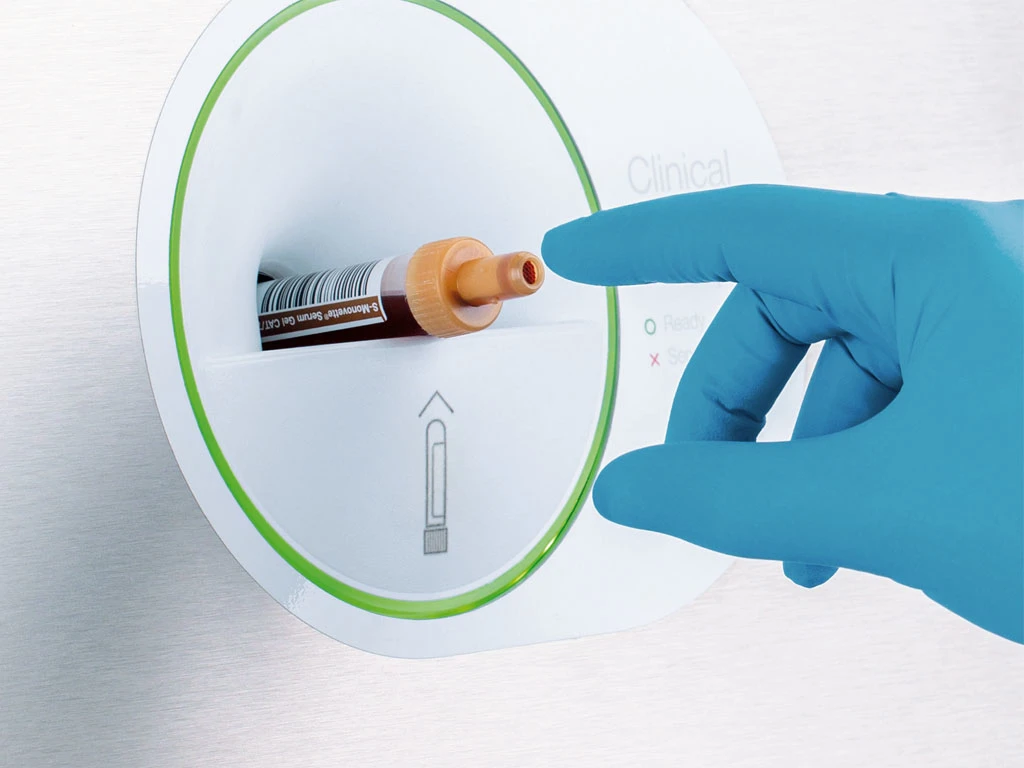
Gain time: Optimal sample quality. Immediate transport. Smart workflow.
Make your pre-analytics safer, faster and more sustainable. Safer, thanks to high, reliable sample quality with the S-Monovette®. Faster, thanks to immediate, predictable sample transport with Tempus1800®. More sustainable, thanks to the synergy of both systems in a modern pre-analytical workflow. S-Monovette® and Tempus1800® – even better together!
Possible difficulties with venous blood collection
Blood vessels that can be safely punctured are not always clearly recognisable at first glance. Weak or deep veins can make it difficult to select a suitable puncture site.
If you have poor vein conditions, you can proceed as follows:
Use gentle aspiration technique as described above
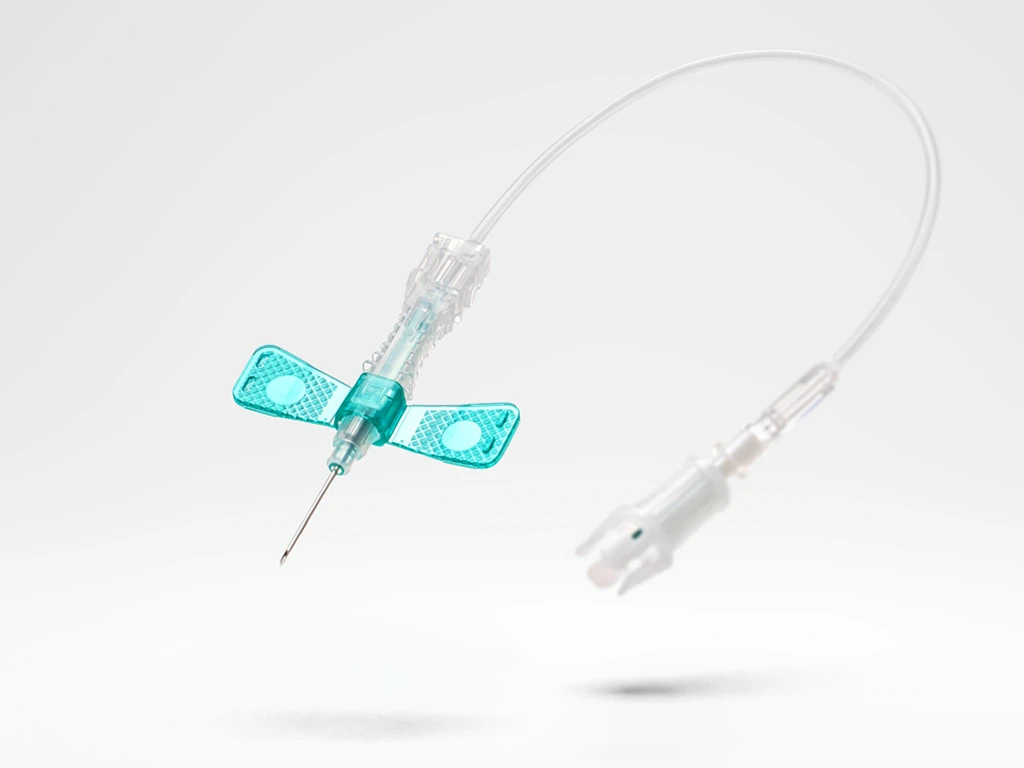
Use a winged cannula such as the
Find another puncture site, if necessary on the opposite arm
Apply a heating pad or warm cloth
The following risks are known to occur post venous blood sampling:
Pain
Haematoma formation
Vasovagal reaction
Nerve injuries
Allergic reactions, primarily due to disinfectants
Good to know:
"Clenching the fist" or "pumping" by contracting the hand and forearm muscles can cause falsely high potassium levels. It is therefore better to work with gentle heat to stimulate the patient's blood flow.
Materials required for venous blood collection
In addition to sample tubes, safety needles, and venous tourniquets, a practical organiser like the SARSTEDT safety tray is needed. With the right equipment, you can establish an efficient and safe routine for venous blood collection.
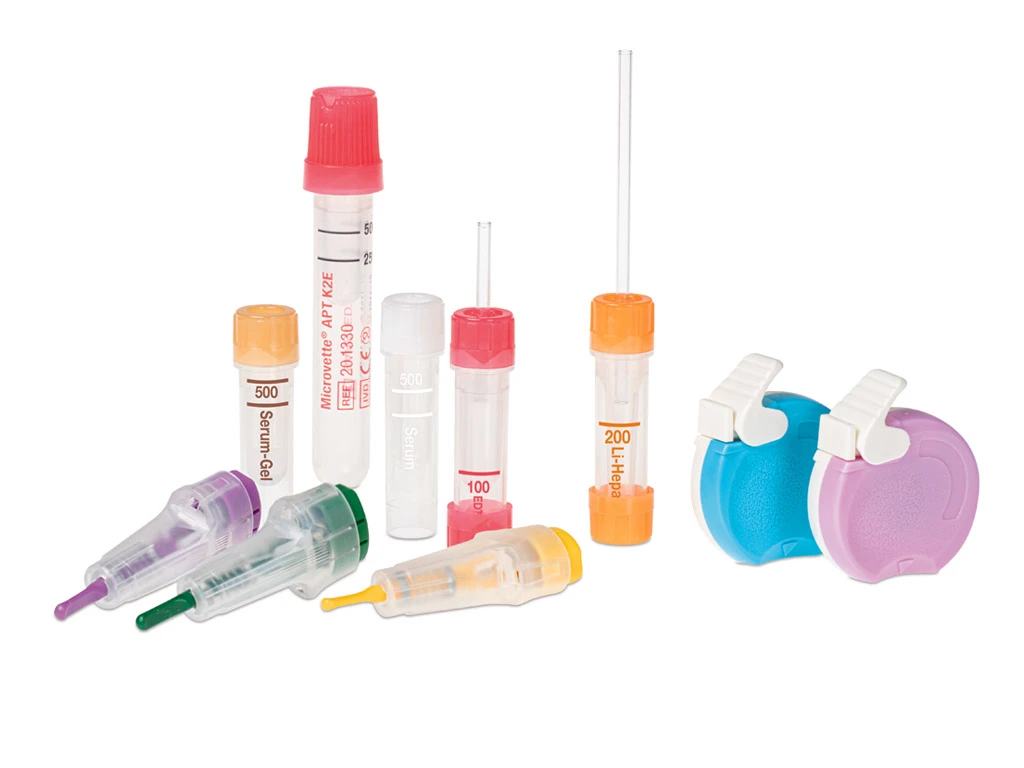
Vein tourniquets
Venous tourniquets are indispensable aids in venous blood collection to facilitate the visibility of veins and the selection of a suitable puncture site. In addition to latex-free disposable tourniquets, SARSTEDT also offers reusable tourniquets made of hard-wearing polyamide (PA).
Sample containers for venous blood collection
With the S-Monovette® from SARSTEDT, you can master venous blood collection in a hassle-free manner. The S-Monovette® aspiration technique is suitable for all venous conditions, therefore it is the ideal choice for venous blood collection. In combination with our Tempus1800® one-touch sample transport system, your sample tubes are then quickly transported to the laboratory. .
Needles and adapters
SARSTEDT S-Monovette® Safety needles and Safety-Multifly® needles are immediately ready for use and are safe due to the elimination of the "assembling the needle and holder" step. Safe protection against needlestick injuries is guaranteed on both sides of the cannula by the slim cannula holder and the established needle guard. The slim and ergonomic cannula holder enables a particularly flat puncture angle. This allows you to puncture the vein safely and avoid puncturing the vein.
Safety tray
With the SARSTEDT safety tray, you have all blood collection materials to hand: safely stowed away and clearly organised.
Safe. Gentle. Precise.
The new Safety-Multifly® PRO combines maximum user safety with a high level of patient comfort. The semi-automatic safety mechanism activates the needle in the vein, reducing the risk of needle stick injuries and blood splatter after blood collection, while the ultra-thin-walled needle supports a high level of patient comfort thanks to reduced insertion force and gentle blood flow.
Traceability of sample tubes
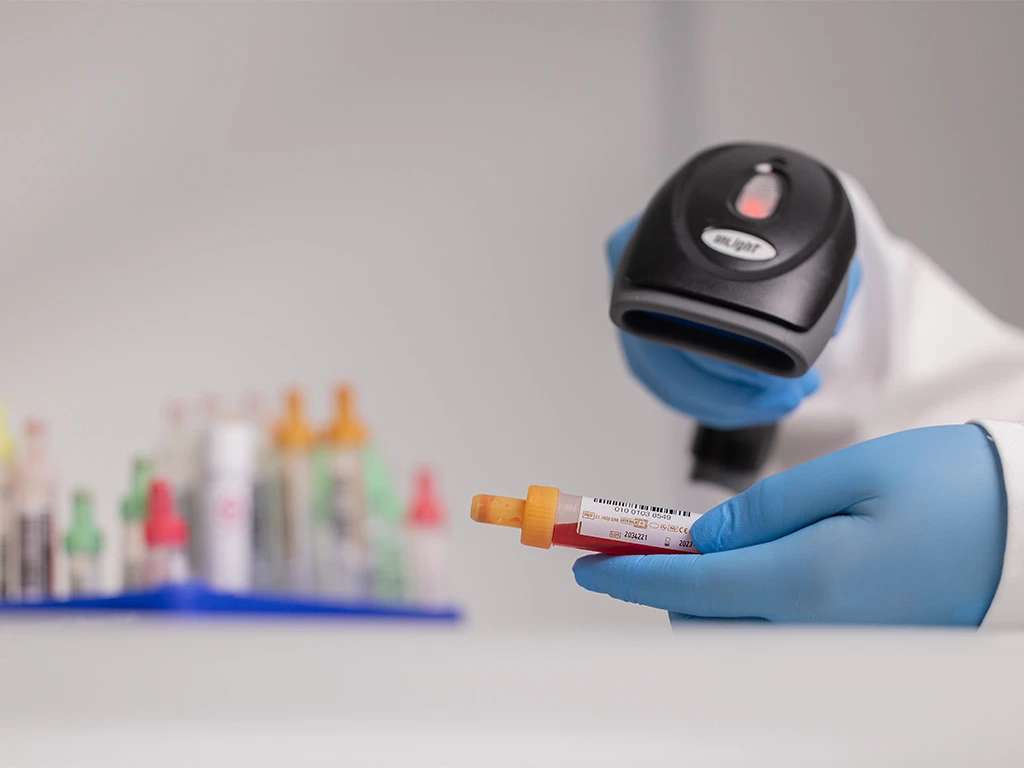
Take the next step into the digital future of your pre-analysis with pre-barcode sample tubes. Minimise sources of error, streamline processes and ensure the quality of your samples.
The combination of pre-barcode sample tubes and a laboratory information system (LIS) enables the digitalisation of your pre-analysis. This process optimisation puts safety first, and eliminates error-prone labelling and possible patient mix-ups.
You can also make use of digitalisation to collect comprehensive pre-analytical data. Confirming the patient's identity or the exact time of collection are just a few examples.
Let's work together: Discover the 360° solutions for your pre-analytics
SARSTEDT simplifies your work in practice and laboratory with its coordinated products and systems that are consolidated in the pre-analytical workflow product range. Take advantage of the synergies of our systems to simplify all processes before and after the actual laboratory analysis: collection, transport, receipt and distribution of the specimens in the laboratory. As a leading global provider of pre-analytical solutions and systems, SARSTEDT continuously strives to bring greater reliability and efficiency to your work in pre-analytics.