Sample collection
Optimum support
Sample collection is the first elementary step in the pre-analytical workflow and is crucial for optimal analysis and precise diagnosis.
Thanks to our many years of experience as a provider of solutions for pre-analysis, we know the specific challenges and sources of error. We are systematically developing our range to support medical and research professionals in the efficient collection of high-quality samples. Our commitment goes beyond maintaining rigorous quality standards; we also prioritise ease of use for both healthcare providers and patients. Discover our comprehensive range and optimise your pre-analytical workflow together with us.
Care and quality from the very first moment
The pre-analytical workflow comprises all processes prior to laboratory analysis and forms the basis - from patient information and identification to sample collection and analysis. The quality of pre-analysis is crucial for the integrity of samples, the avoidance of errors and the efficiency of workflows in laboratories, clinics and practices. Errors in pre-analysis can significantly affect the reliability and accuracy of laboratory results, as the following illustrates:
Approximately 70 % of all clinical decisions are based on laboratory analyses, which depend directly on reliable pre-analysis.
Approximately 60 % of the entire analysis comprises pre-analytical processes.
Around 60-70 %of all laboratory errors can be traced back to pre-analytical processes
The figures show how essential a high-quality pre-analytical workflow is, which SARSTEDT helps you to optimise and implement.
The success of a high-quality pre-analytical workflow is based on the following five key elements that guarantee you high sample integrity and optimal analysis:
The correct sampling, preparation and storage of samples depend on high-quality sample containers. Which types of sample containers and which materials are suitable differs depending on the sample and the required analytes.
Sampling techniques for different sample types
When collecting samples, you regularly deal with different types of samples such as blood, urine, faeces, saliva, cerebrospinal fluid or tissue and smears. Depending on the type of sample, the following collection techniques can be used:
No results were found for the terms used.
Blood samples - general
In addition to professional qualifications, theoretical knowledge and practical experience, a careful approach to work is essential for proper blood collection.
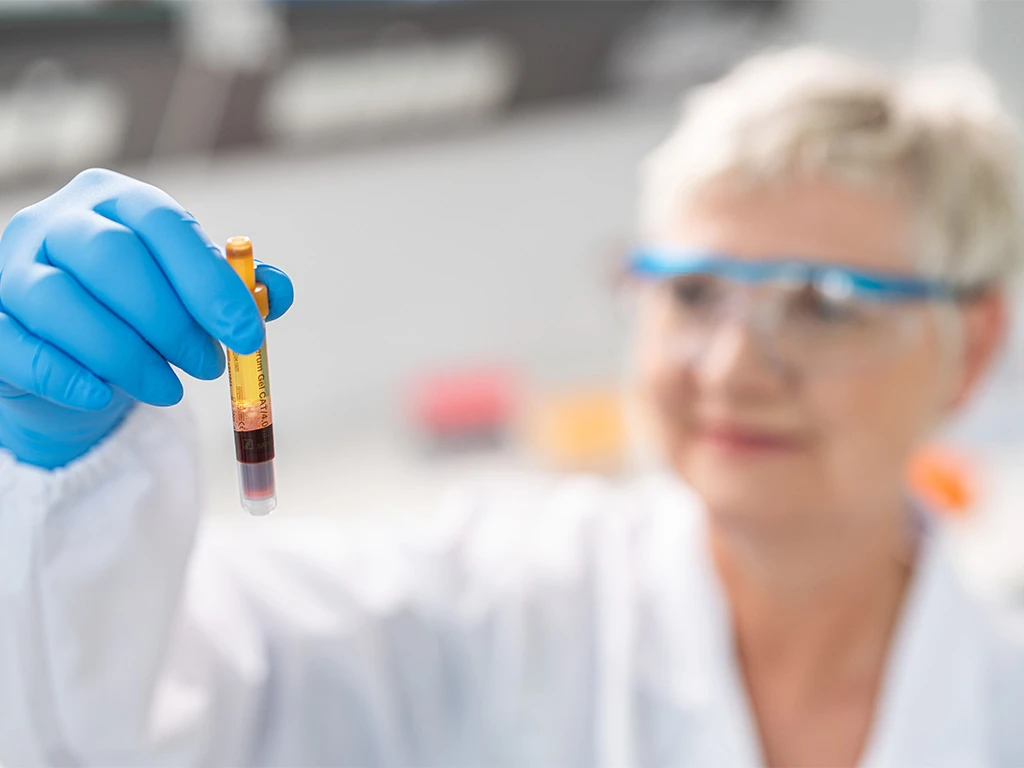
Depending on the sample, sample containers with different additives are used to analyse specific components of the blood. For the collection of plasma, the sample containers are coated with anticoagulants such as heparin, EDTA or citrate. Sample containers without additives or with coagulation activators are suitable for obtaining serum. Unbreakable and hygienic plastics are used as suitable container materials.
Venous blood sampling
WHAT is venous blood?
Venous blood describes the deoxygenated blood flowing to the heart.
WHEN is venous blood used for medical examinations?
Venous blood as the most important sample material is used in larger quantities (> 1 ml) for the diagnosis and monitoring of diseases.
HOW can venous blood be collected?
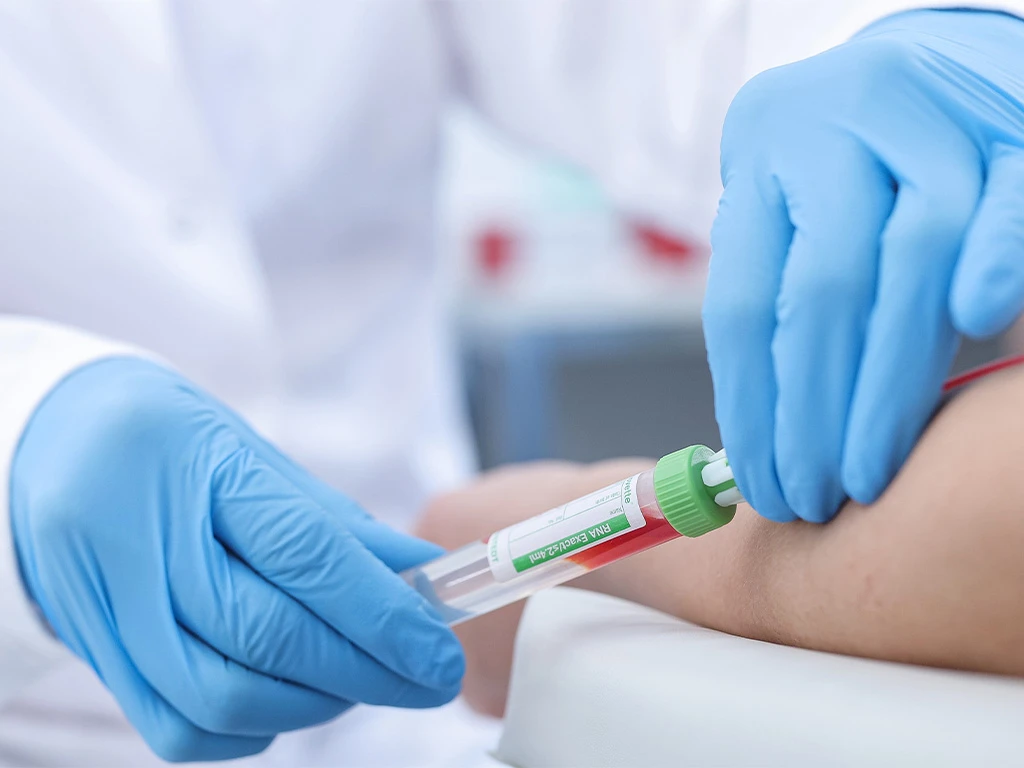
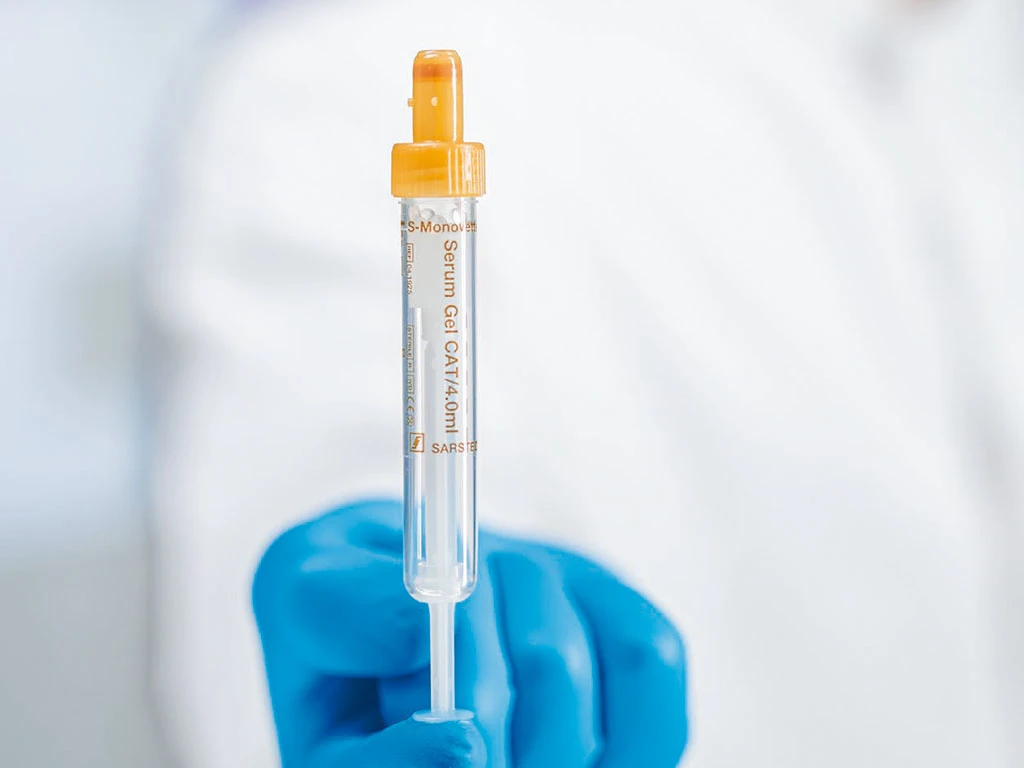
Venous blood can be collected from easily accessible large veins in the crook of the elbow, the forearm, the back of the hand and, in exceptional cases, the groin or the foot. Venous blood can be collected using two collection techniques. The aspiration technique enables a controlled blood flow and therefore gentle blood collection regardless of the vein conditions in young to old people. The vacuum technique uses a pre-evacuated sample container to enable blood collection according to the negative pressure principle with a continuous rapid blood flow and is ideal for good vein conditions and simple collection conditions. With the S-Monovette® system, SARSTEDT offers you the right blood collection system for every situation.
WHICH materials are recommended for collecting venous blood?
For the collection of venous blood, we recommend the S-Monovette® system in combination with a blood collection cannula with or without a tube (Safety-Multifly® cannula or Safety cannula).
Capillary blood sampling
WHAT is capillary blood?
Capillary blood collection refers to the collection of blood from the capillary vessels and is always used when only small volumes of blood are required or can be collected.
WHEN is capillary blood used for medical examinations?
Capillary blood sampling plays an important role in paediatrics, neonatology and geriatrics as well as for lactate and glucose determination. Other indications include inpatient blood gas tests, point-of-care tests of capillary blood in close-to-patient care, routine screening or in cases with difficult venous conditions. However, capillary blood collection is also used for drug tests.
HOW can capillary blood be collected?
Capillary blood is obtained by puncturing with a lancet and using small-volume sample containers or capillaries. Earlobes, fingertips or the heels of new born babies are used as sampling sites.
WHICH materials are recommended for collecting capillary blood?
When selecting the right materials, the specific needs of the patient must be taken into account. There is a choice of different lancets and incision lancets as well as different sample containers for different volumes and applications. With our product range for capillary blood collection, you can rely on simple and safe solutions.
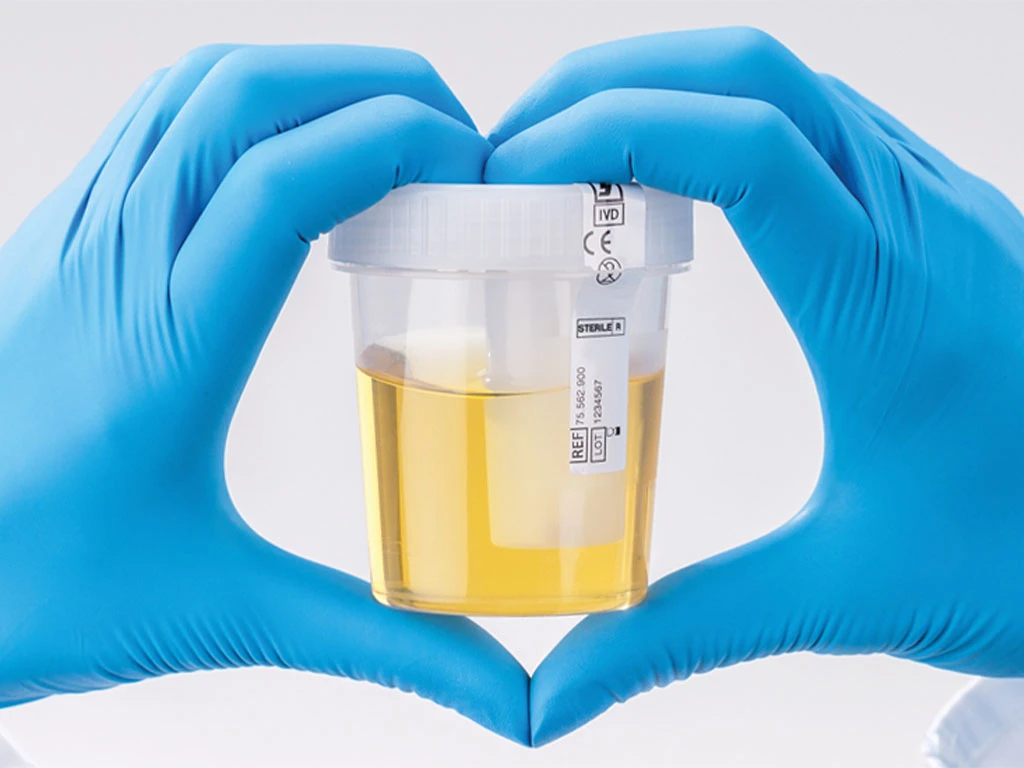
Urine sample collection
WHAT is a urine sample?
In urine diagnostics, the term "urine sample" combines various sample types, which are differentiated according to the time period or type of sample collection, among other things.
WHEN is urine used for medical examinations?
The analysis of urine samples is one of the most common laboratory tests. Urine provides information about health in a quick and usually non-invasive way, including early detection of kidney and urinary tract diseases, metabolic disorders such as diabetes or liver disease, as well as physiological changes such as pregnancy.
WHAT types of urine samples are there?
When analysing analytes from urine, the type of urine sample is crucial. It is not always possible to determine all analytes from a urine sample with the same clinically relevant significance. Different sample types and collection times can be considered for different questions and analysis methods - for example, first and second morning urine, spontaneous urine, 24-hour urine collection, bladder puncture urine and catheter urine.
HOW can urine be extracted?
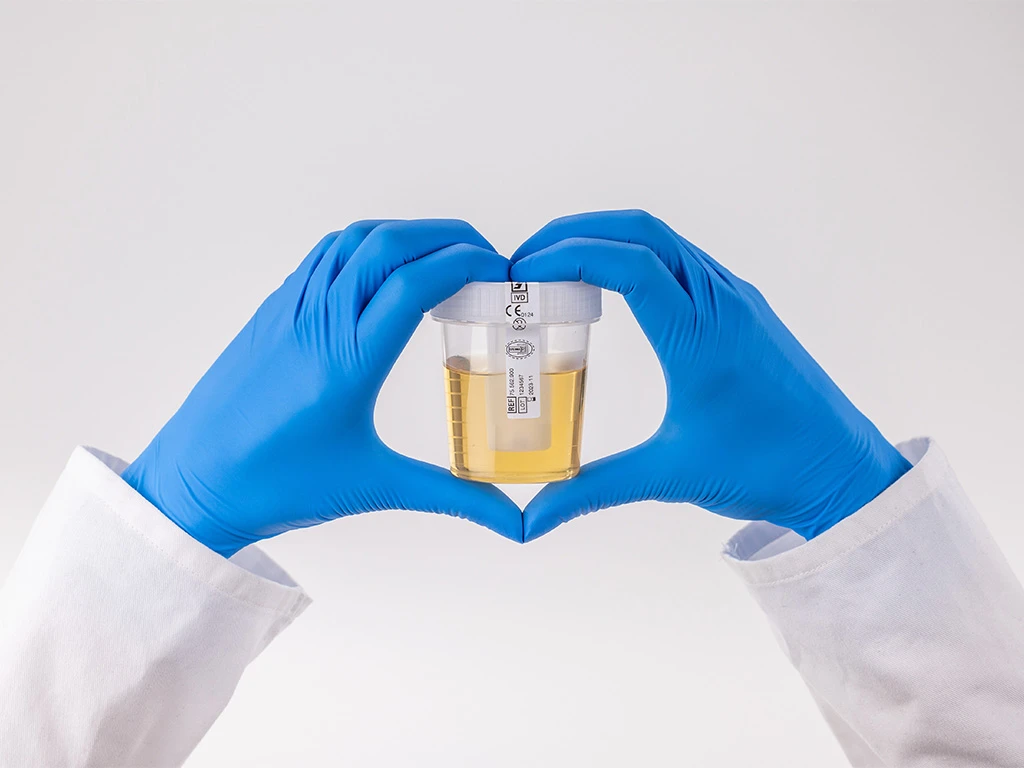
The collection of urine differs depending on the type of sample. The collection of spontaneous urine is simple and can be carried out at any time in a (sterile if required) beaker. Collected urine is usually collected over a period of 24 hours, during which the urine from each micturition is stored in a collection bottle.
WHICH materials are recommended for urine collection?
To collect urine samples, use the clean disposable collection cups or bottles provided for this purpose, which can be sterile if required. The samples obtained are transferred to our urine monovettes for analysis, for example.
Sample collection stool
WHEN is a stool sample used and WHICH diseases/germs can be detected with a stool sample?
There are various indications that make a stool sample necessary - for example, if an intestinal infection or parasite infestation is suspected. However, a stool sample can also be used to screen for certain types of tumours of the gastrointestinal tract or to detect pancreatic insufficiency.
What should I bear in mind when taking a stool sample?
Stools are not always homogeneous in consistency, so it is not always easy for patients to take an ideal sample. It is advisable to homogenise the stool by stirring it carefully before collection and to take samples from three to five different places in the stool sample.
If you have several bowel movements per day, the sample should be taken during the first bowel movement if possible.
Saliva sample collection
WHAT is saliva?
Saliva is produced by the salivary glands of the oral mucosa in the oral cavity.
WHEN is saliva used for medical examinations?
Saliva is used as a non-invasive and easy to collect biological sample for a wide range of applications such as drug screening, stress and immune system issues. Saliva can be easily collected in many circumstances from infants to the elderly.
HOW can saliva be extracted?
Saliva can be collected using the passive drool method or using a suction roller similar to a dental swab.
WHICH materials are recommended for collecting saliva?
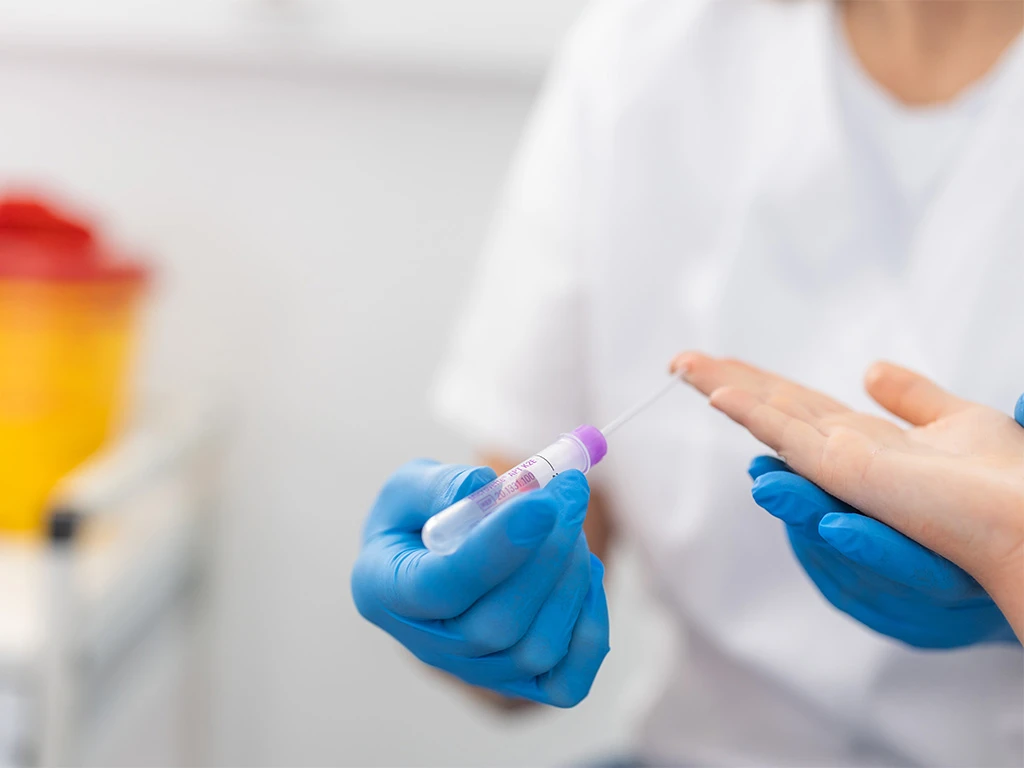
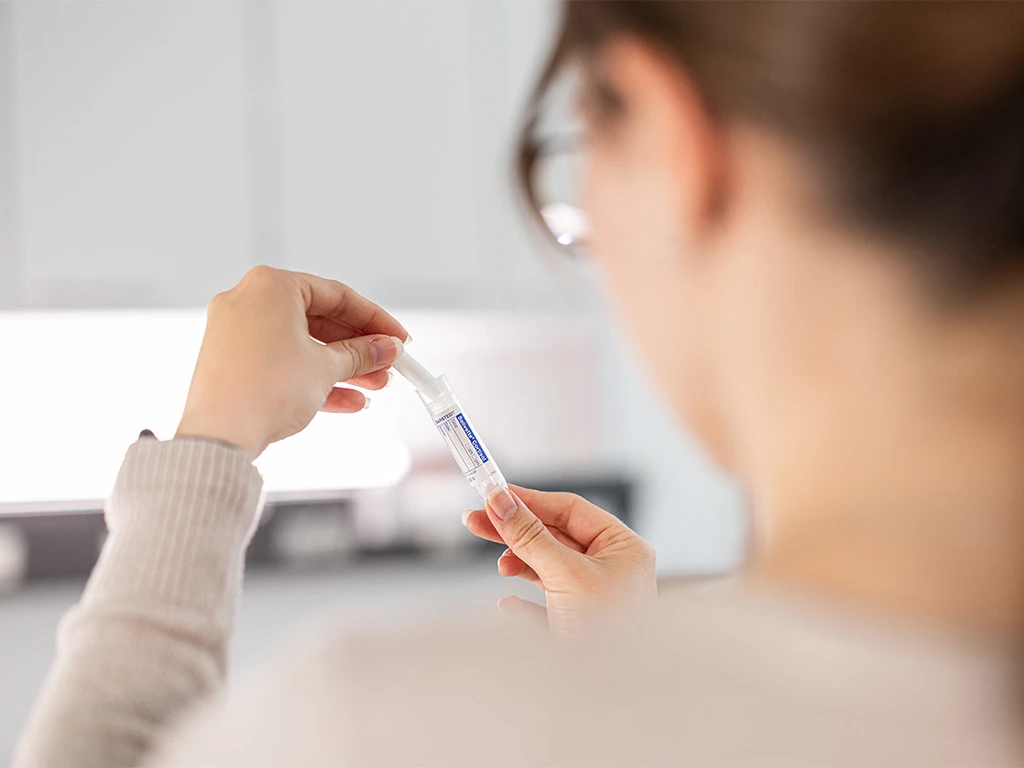
For the collection of saliva, we recommend the Salivette® or the Salivette® Cortisol for the determination of cortisol. With both systems, saliva is collected using a suction roller.
Advantages of collecting a saliva sample with the Salivette®
Saliva collection with the Salivette® is easy and clean. Possible saliva splashes and spitting into a small tube as with the passive saliva flow method are eliminated.
Find out more about the Salivette® and everything you need to know about sampling with the Salivette® or the Salivette® Cortisol.
CSF / CSF sample collection
WHAT is CSF?
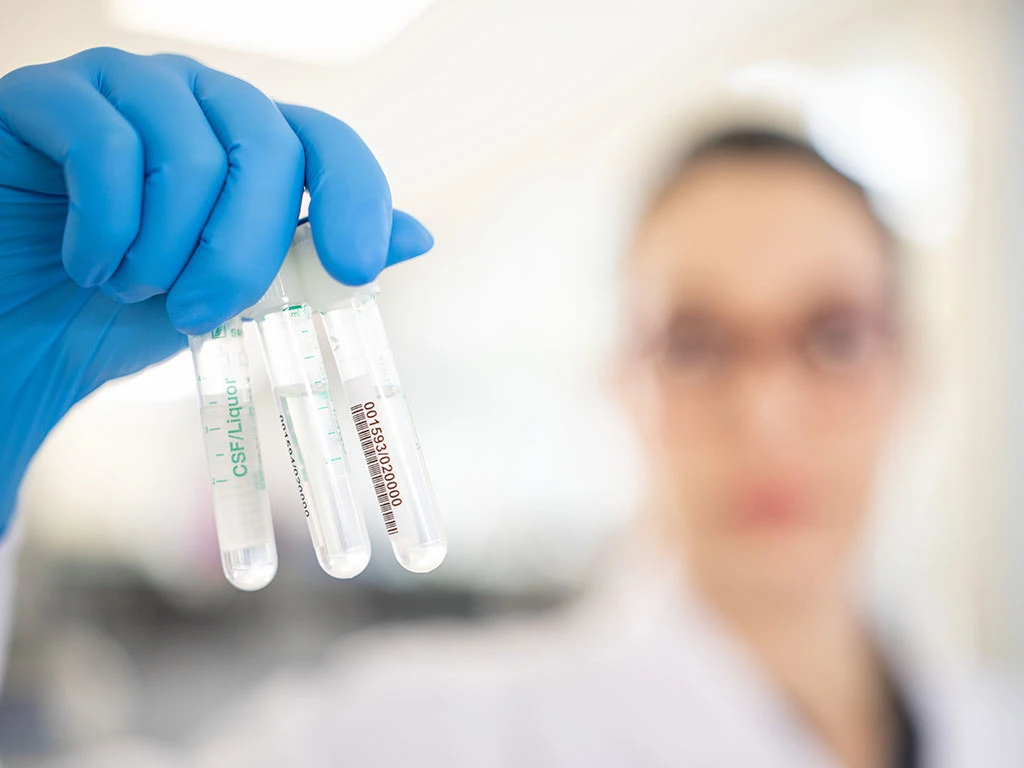
As soon as a neurological disease is suspected, another body fluid becomes significant for laboratory tests - Cerebrospinal Fluid (CSF).
WHEN is CSF used for examinations?
There is a wide range of CSFexaminations in which, for example, the cell count, protein, glucose or lactate levels are determined, and special examinations in which, for example, bacteria or antibodies are detected in the cerebrospinal fluid. The proteins typical of Alzheimer's disease - amyloid beta and tau - are also present in altered concentrations and can be detected at an early stage of the disease.
HOW can CSF be obtained?
CSF are obtained by puncturing cerebrospinal fluid spaces. CSF samples are usually taken by puncturing the spinal canal (lumbar puncture), more rarely by sub-occipital puncture (puncture of the cisterna cerebello-medullaris) or ventricular puncture (puncture of the cerebral ventricles).
Tissue sample collection
Tissue is mainly taken to diagnose diseases such as cancer, infections or inflammatory diseases. Pathological changes can be recognised through microscopic examination of the tissue samples. These diagnoses are particularly important for cancer diagnostics. Tissue samples can be taken from all parts of the body and organs, which is usually a routine procedure that can be carried out on an outpatient basis.
Depending on the type of tissue sample, it is sometimes taken under a local anaesthetic. The number and quantity of samples depends on the diagnostic question. It is also important to label the samples precisely, including the order in which they are taken if necessary, in order to avoid confusion in the laboratory.
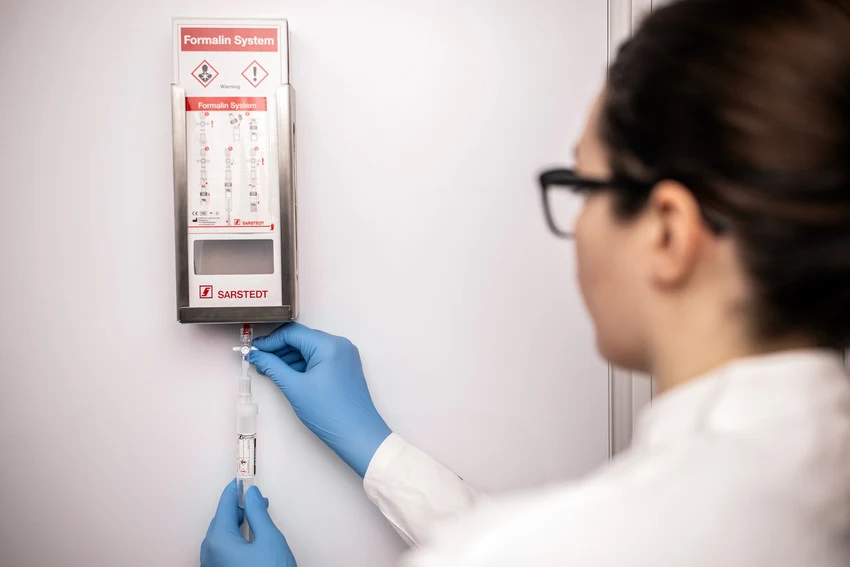
Immediately after removal, the tissue must be protected from drying out, rotting or decomposition. Formalin has been used for years for this so-called fixation. However, formaldehyde, the active ingredient in formalin, has been criticised because it can be toxic to humans. The substance can be carcinogenic on direct contact. In 2006, the German Federal Institute for Risk Assessment (BfR) found that inhaled formaldehyde can cause cancer in the nasopharynx, which led to a reassessment and stricter categorisation.
For this reason, SARSTEDT has developed its closed formalin system. This enables contamination-free fixation of tissue samples without the user coming into contact with the formalin. Immediately after collection, the sample is placed in a neutral, non-prefilled S-Monovette® from SARSTEDT, which is then immediately connected to the formalin system and filled with formalin. Another advantage is that the S-Monovette® can be individually filled with different volumes of formalin to suit requirements. The quantity of formalin is thus adjusted to the sample size and considerably reduces the costs for disposal.
Centrifugation
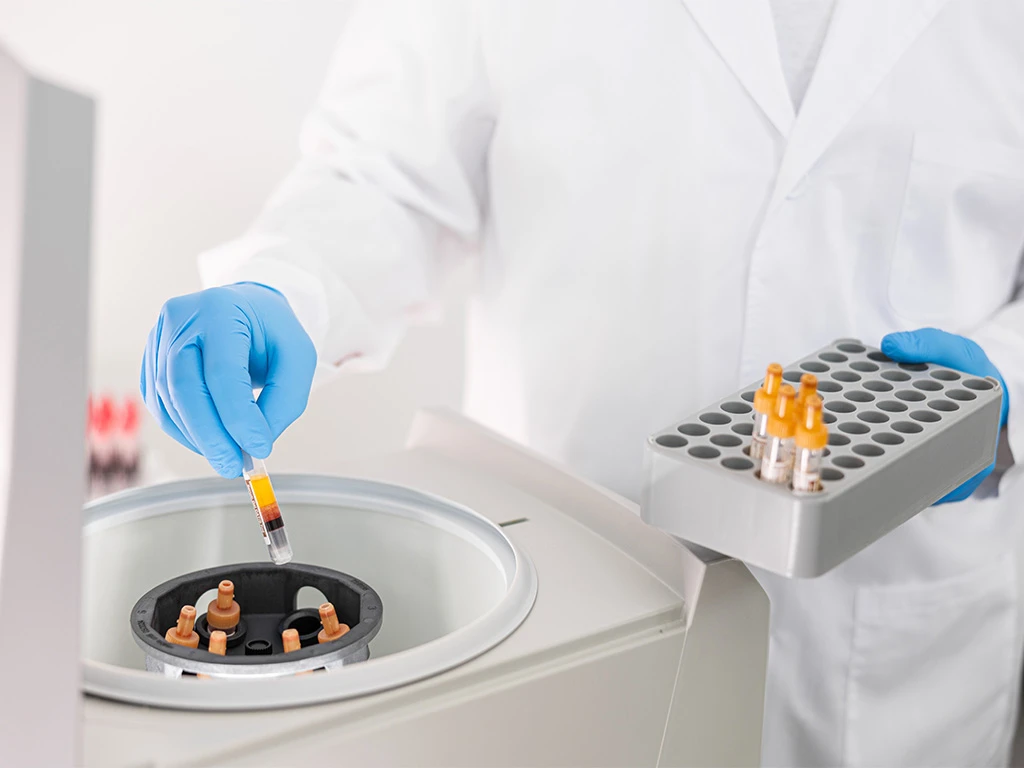
The physical separation process of centrifugation allows you to separate particles and substances with different density ratios, such as blood cells and serum or plasma, efficiently and easily.
Centrifugation is used to separate liquids of different densities or liquids from solids by rotating these substances at high speed in a container. In a laboratory centrifuge with a swing-out rotor, for example, denser substances and particles are spun outwards in a radial direction, i.e. perpendicular to the rotor axis, and substances with a lower density are displaced and moved in the direction of the rotor axis within the sample vessel. After complete centrifugation, substances and particles with a higher density are located in the lower area of the sample vessel and substances with a lower density in the upper area of the sample vessel.
Labelling
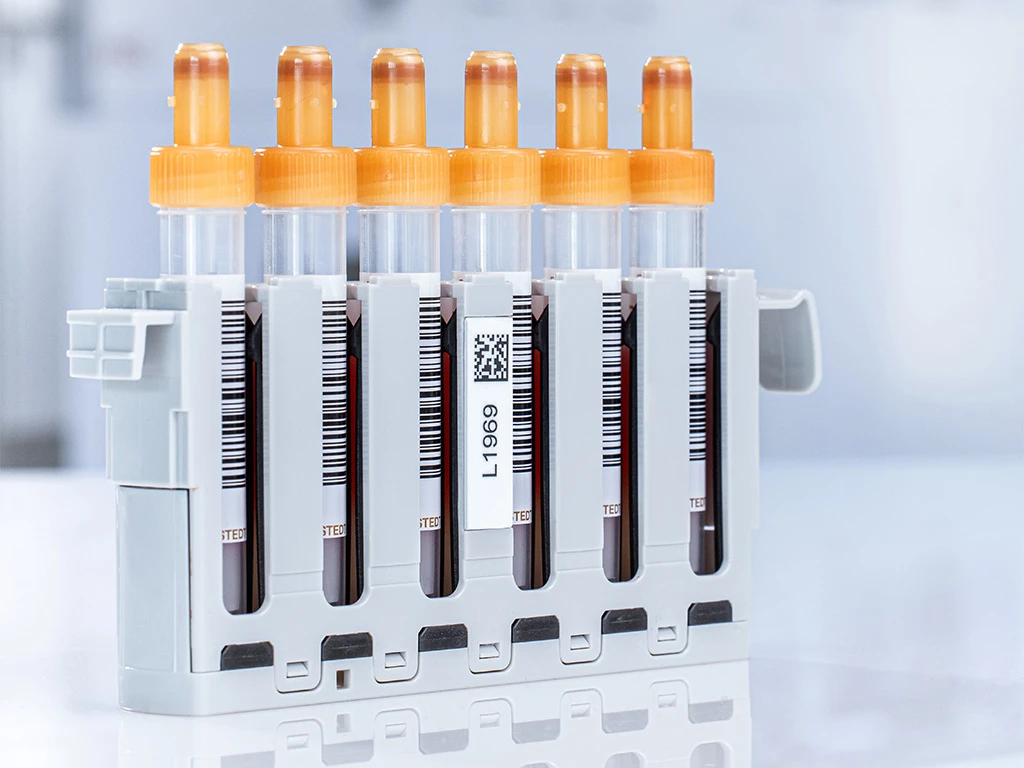
In order to be able to clearly assign the samples obtained from the patients, you must label the sample containers accordingly. This is usually done using patient-specific labels. When applying the labels, care must be taken to ensure that the label does not become detached or that the sample container becomes jammed by the label, e.g. in the centrifuge or in the analyser.
Pre-coded sample tubes and solutions for automatic labelling ensure consistent labelling quality and error-free processing of samples in automated processes.
Disposal of sharp and pointed objects
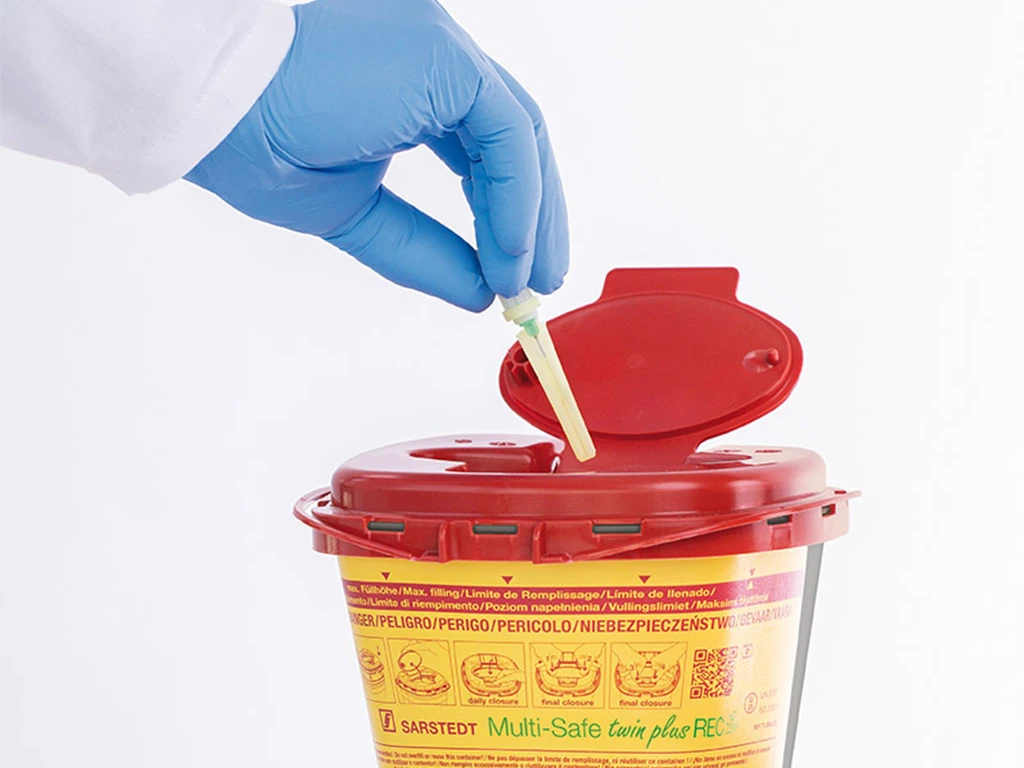
With our extensive range of Multi-Safe disposal boxes, SARSTEDT offers safe and directive-compliant solutions for the disposal of pointed and sharp objects such as cannulas, lancets, scalpels, etc.. With the various designs, from the handy 200 ml format to the autoclavable 60 litre disposal box for clinical waste, we offer an optimum solution for every requirement. As a renowned manufacturer of laboratory and medical products, Sarstedt sees it as its duty to provide appropriate disposal solutions to match the disposable products in order to ensure the safety of the users
Let's work together: Discover the 360° solutions for your pre-analytics
SARSTEDT simplifies your work in practice and laboratory with its coordinated products and systems that are consolidated in the pre-analytical workflow product range. Take advantage of the synergies of our systems to simplify all processes before and after the actual laboratory analysis: collection, transport, receipt and distribution of the specimens in the laboratory. As a leading global provider of pre-analytical solutions and systems, SARSTEDT continuously strives to bring greater reliability and efficiency to your work in pre-analytics.

The gold standard in blood collection.
Venous blood is the most important sample material for medical analysis. And the basis for performing diagnostics smoothly and precisely is optimal specimen quality. The S-Monovette® from SARSTEDT has set standards in this field since its launch: No other blood collection system provides such optimal specimen quality, regardless of the vein conditions.
Innovative solution: NFT urine collection system
With the NFT products (NFT = Needle Free Transfer), SARSTEDT has now launched its first urine collection system for hygienically closed and needle-free specimen collection. The NFT system sets new standards. This is how Urine Pre-analytics 2.0 works.