
Molecular Biology
Equipped for all requirements with high-quality solutions
Molecular biology: A key science
Replication, transcription, translation: It is the central dogma of molecular biology and describes in just three words how the appearance, function, and behaviour of every living being we know are controlled by just four letters: ATCG. Adenine, thymine, cytosine and guanine - the four bases of our DNA. This applies to everything, from the simplest bacterium to complex organisms such as humans themselves.
Molecular biology does not only deal with the function of DNA, RNA or protein biosynthesis but it makes a decisive contribution to the identification of physiological and pathophysiological processes and enables us to change them in a targeted manner. From the first biotechnological production of human insulin in the 1980s to modern immunotherapies and precision treatments in oncology to gene therapies that can cure or significantly delay serious congenital diseases – all these possibilities would be unconceivable without the knowledge and techniques of molecular biology.
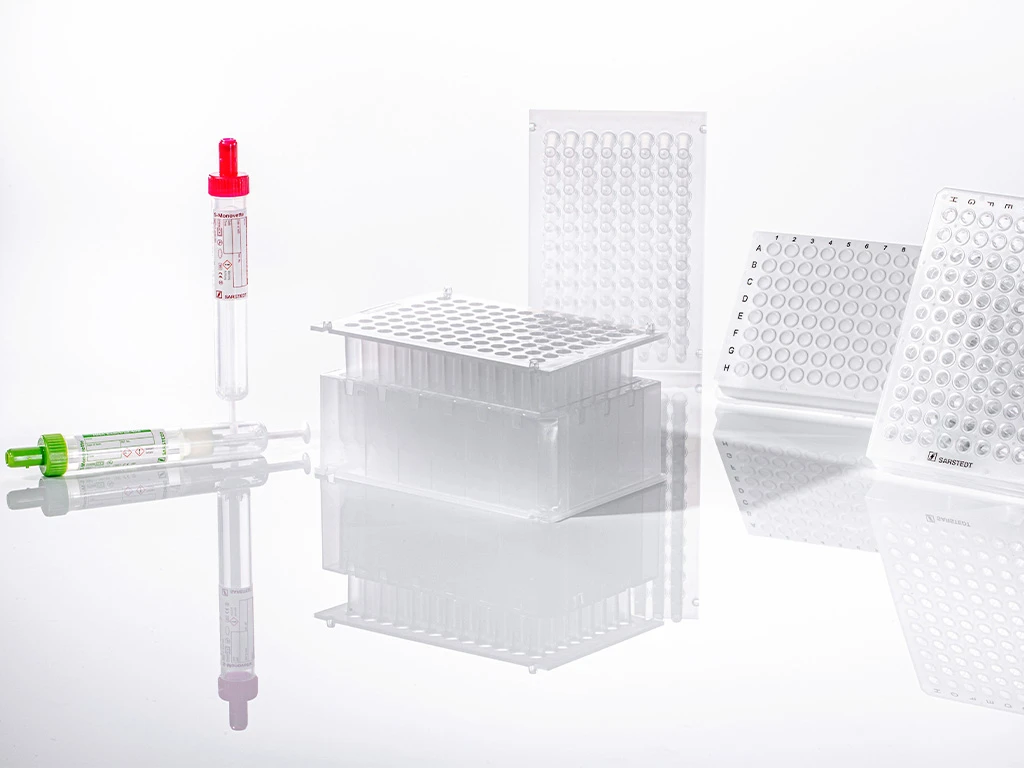
The best results require the best conditions
Molecular biology techniques have significantly advanced in recent decades. They have become more user-friendly and faster through new instrument options, materials, kits and also more specific and sensitive, for example in terms of RNA and DNA analytics. Ultra-low detection limits, however, also mean that even the smallest contaminations can distort your results.

Techniques and applications in molecular biology
Polymerase chain reaction (PCR), sequencing, cloning, transfection and transformation of various cells, RNA silencing, hybridisation experiments and more. The tool box of molecular biology is now full of ways to decipher the flow of genetic information from DNA to RNA to protein.
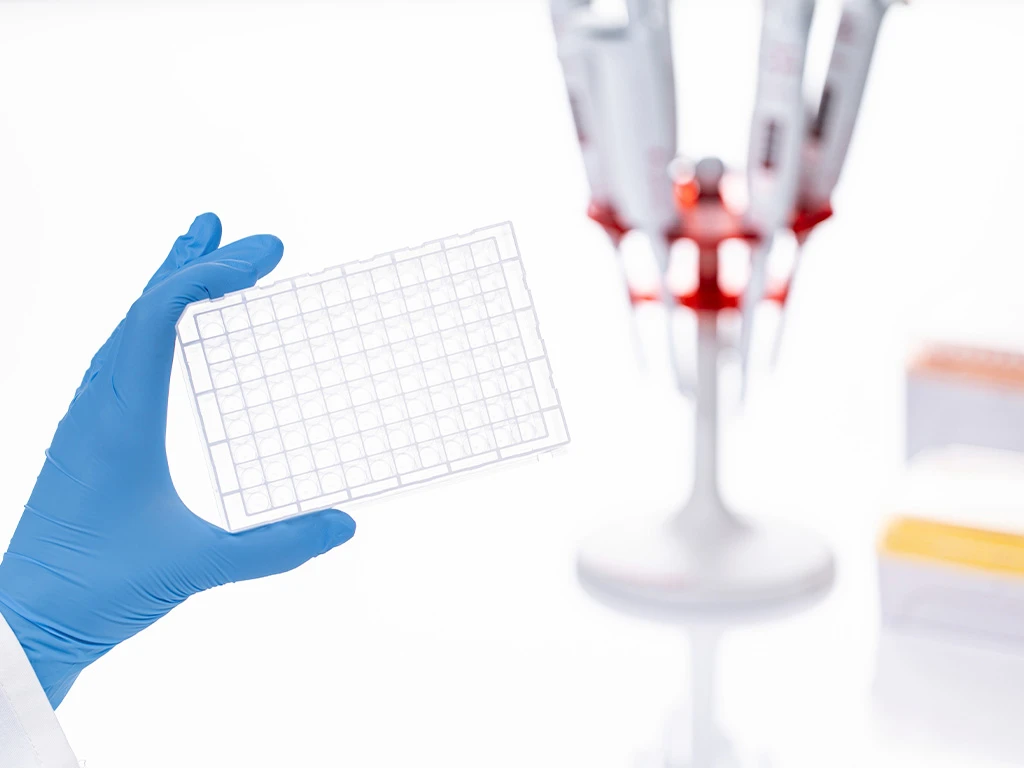
RNA technologies and analytics
RNA has gained significant relevance as a biomarker in research in recent years, as the options for amplification, analysis and handling have greatly improved. RNA now has numerous applications, for example in the context of drug development, plus it also offers enormous diagnostic potential.
Peripheral blood is an easily accessible RNA sample source for gene expression analyses for instance, when the tissue to be analysed, such as the brain in stroke patients, is not accessible or a tissue biopsy, such as in some cancer patients, is not an option.
This is possible if the relevant genes are similarly expressed in blood and the brain, or if the transcripts are secreted into the blood as in the case of many tumours. Especially in oncology, a comparison between gene expression in blood and tissue can be interesting. While the tissue biopsies only shows a small section of the tumour, the results of a liquid biopsy represent a cross-section of all cells releasing RNA into the blood.
RNA can be extracted from various liquid biopsies, including blood, urine or cerebrospinal fluid. Liquid biopsies are also significantly less invasive than tissue biopsies. Next generation sequencing can be used to determine the sequence of RNA and its expression profile, which can be used as biomarker. This allows for characterising a disease, predicting the response to a specific therapy or monitoring the success of therapy.
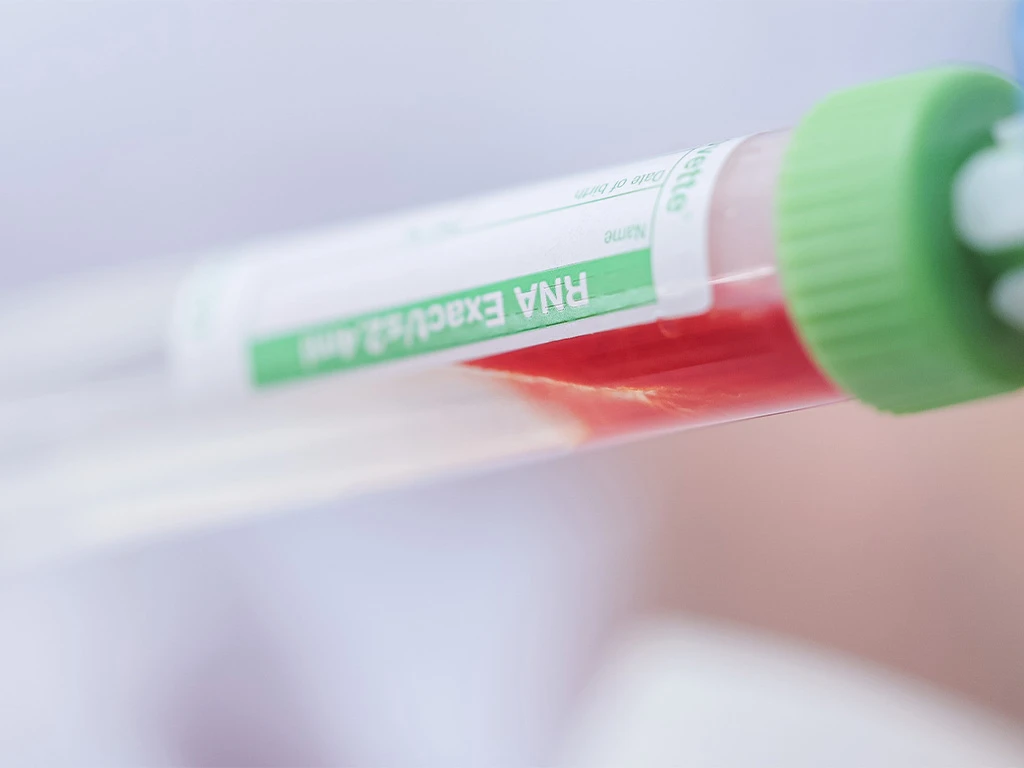
Product Highlights
Proteomics in applications and research
Proteomics is an interdisciplinary field situated between molecular biology and biochemistry. A proteome describes the totality of all proteins present in an organism - some estimates suggest that humans have around 80,000 different proteins, while others estimate up to 1,000,000!
Identification and functional elucidation of all these proteins is therefore a tremendous task. Despite the manageable number of approximately 21,000 coding genes, their gene products are expected to have numerous isoforms, for example through alternative splicing, post-translational modifications and so on.
While the genome is highly conserved, the proteome is highly dynamic and constantly changing, for example in response to environmental conditions and other internal and external stimuli.

Product Highlights
Molecular diagnostics: Requirements and applications
Genetic testing for hereditary diseases
Many diseases have a genetic component or are entirely genetic in their cause. From a predisposition towards certain tumoursto chromosomal abnormalities to rare diseases such as sickle cell anaemia, cystic fibrosis or Duchenne muscular dystrophy . Our genes often play a crucial role in pathogenesis.
Genetic diseases can be identified and characterised through molecular diagnostics. The results can help ine prognosis and therapy while answering a variety of diagnostic questions.
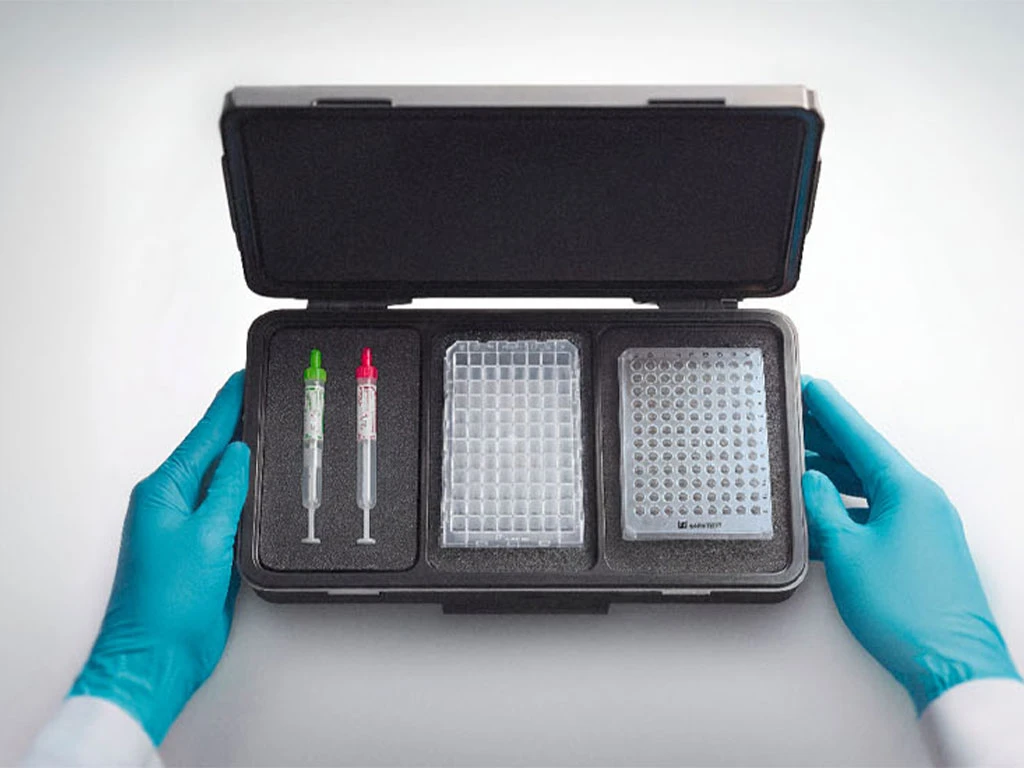
SARSTEDT offers high-quality solutions with the S-Monovette® DNA Exact and S-Monovette® cfDNA Exact to effectively stabilise genomic and freely circulating DNA from blood and ensure optimal sample quality.
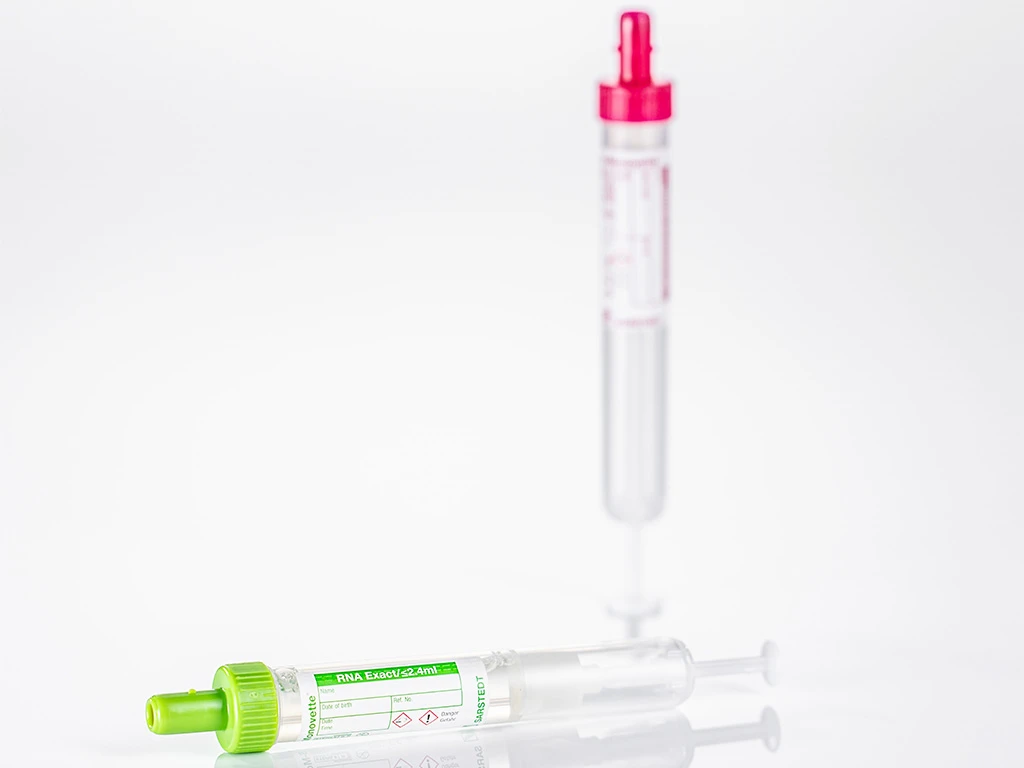
Product Highlights
Equipment and materials: You’ve got to get the right flow!
Regardless of research project, molecular, genetic or infection diagnostics, the quality and properties of the materials used can significantly influence your results. From sample collection to isolation and analysis, everything has to be right - SARSTEDT’s molecular diagnostic workflow will help you ensure this.
Mission-ready materials
With SARSTEDT, your molecular diagnostic processes re in the best hands – from optimal sample collection and stabilization to efficient automated biomarker isolation and reliable sequence analysis. SARSTEDT’s molecular diagnostic workflow range has perfectly coordinated products for molecular genetic and medical laboratories. Go with the flow with high quality consumables for molecular biology – rely on the expertise and experience of a leading global provider.
Hands on: Tips for a successful PCR
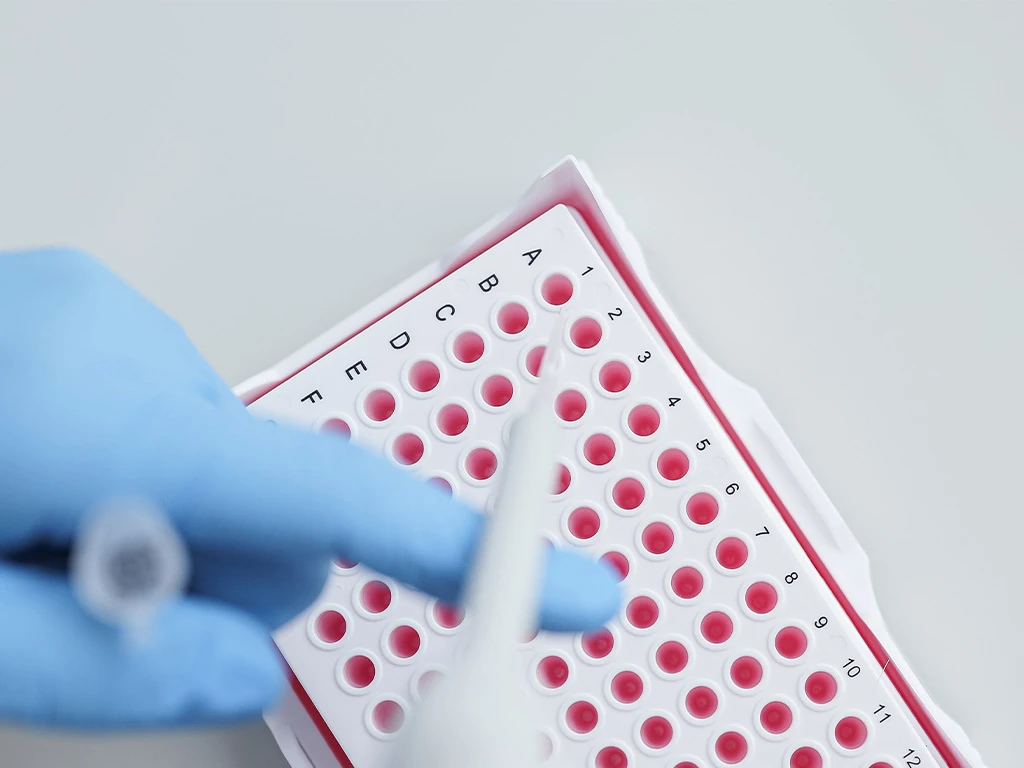
PCR is the backbone of many molecular biological analyses. The basic principle is indeed simple, but there are some stumbling blocks in the practical implementation that can be avoided.
Product Highlights
Life is not always science.
But science is our Life.
At SARSTEDT, our work follows the principle: Impress with quality, retain with service. Reliability and experience, innovation and dynamism – we build on proven and reliable values, combined with active processes and partnership-based thinking and action.